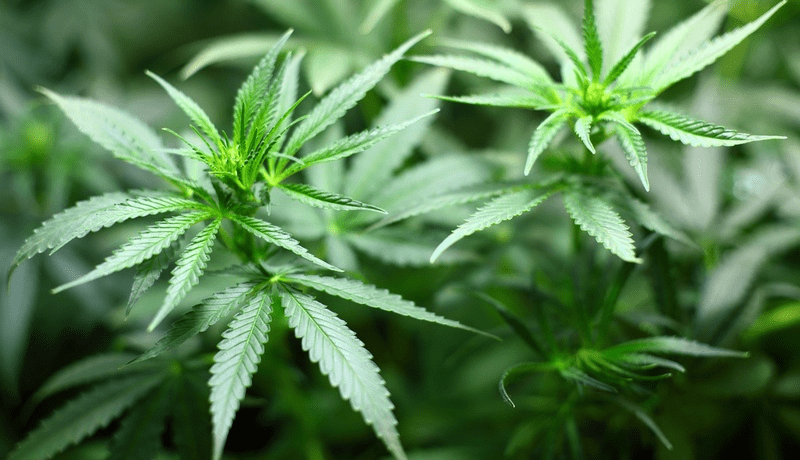
For centuries, artists, writers, musicians, and innovators have turned to therapeutic pipeline cannabis in pursuit of creative inspiration. From the jazz musicians of the 1930s to today’s tech entrepreneurs and filmmakers, cannabis has long held a reputation as a tool for unlocking imagination and expanding thought. But is there real science behind the idea that cannabis enhances creativity? Or is it a myth fueled by anecdote and culture?
In this article, we explore the connection between cannabis and creativity — examining historical context, scientific theories, user experiences, and practical tips for using cannabis as a creative aid.
The Historical and Cultural Link
Cannabis has a deep-rooted history in spiritual and artistic traditions:
In ancient India, it was used during meditative rituals and spiritual ceremonies to expand consciousness.
In 19th-century Europe, artists and writers like Charles Baudelaire and members of the “Club des Hashischins” experimented with cannabis to explore altered states.
In 20th-century America, cannabis played a significant role in creative subcultures — from beat poets to psychedelic rock bands and underground art scenes.
This consistent association between cannabis and creativity has helped shape public perception and popular narratives around the plant’s influence on the mind.
How Cannabis May Affect Creativity
Creativity involves divergent thinking — the ability to generate multiple, novel ideas or solutions — as well as convergent thinking, which helps synthesize and organize ideas logically.
Cannabis interacts with the endocannabinoid system (ECS) and influences neurotransmitters like dopamine and serotonin, which can affect:
Mood and emotion (which inspire expression)
Pattern recognition and association (leading to unusual or novel connections)
Sensory perception (heightening experience and awareness)
Short-term memory (potentially disrupting linear thought but opening non-linear, intuitive ideas)
These effects can either boost or impair creativity depending on the strain, dose, setting, and individual user.
Science on Cannabis and Creativity
While research is still evolving, some studies offer insights into how cannabis may influence creative processes:
A 2012 study published in Consciousness and Cognition found that cannabis users scored higher in verbal fluency — a component of divergent thinking — at low doses. However, high doses impaired performance.
A 2015 study from Leiden University showed that low doses of THC increased divergent thinking in participants with low baseline creativity, but not in those who were already highly creative.
A 2021 study in Psychology of Aesthetics, Creativity, and the Arts found that cannabis increased users’ perception of their creativity, even if actual creative output wasn’t significantly higher.
These findings suggest that cannabis may not create creativity, but it may enhance a user’s ability to explore and express their ideas, especially in the right mental state and environment.
Strains and Cannabinoids That Influence Creativity
Not all cannabis is equal when it comes to enhancing creativity. Some strains are better suited for sparking imagination and focus:
- Sativa-Dominant Strains
Sativas are often associated with energizing, cerebral effects. These strains may help with idea generation, motivation, and mood.
Popular creative-friendly sativas:
Jack Herer
Sour Diesel
Green Crack
Durban Poison
- Balanced or Hybrid Strains
Hybrids that offer a mild high without overwhelming euphoria may be ideal for combining mental stimulation with calm focus.
Examples:
Blue Dream
Girl Scout Cookies
Pineapple Express
- CBD-Rich Strains
CBD can reduce anxiety and mental clutter, allowing for clearer thinking and emotional calm — helpful in certain types of creative work like writing, composing, or designing.
When Cannabis Hinders Creativity
Cannabis isn’t universally helpful for all users or all creative tasks. In some cases, it can:
Cause mental fog or loss of focus, especially with high-THC strains
Impair short-term memory, making it hard to develop structured ideas
Trigger anxiety or paranoia, especially in unfamiliar settings or among sensitive individuals
To avoid negative effects, it’s essential to experiment cautiously and to understand how your body responds.
Tips for Using Cannabis to Boost Creativity
If you’re curious about integrating cannabis into your creative process, here are some tips:
- Start with a Clear Intention
Decide what you’re trying to create or explore. Set your focus before consuming cannabis to avoid drifting aimlessly. - Use the Right Strain
Choose strains known to boost energy and focus. Avoid heavy indicas unless you’re doing meditative or emotional work like painting or journaling. - Start Low and Go Slow
Especially for beginners, a small dose can go a long way. Microdosing (1–2 mg of THC) may offer creative benefits without overwhelming the mind. - Create in a Comfortable Environment
Surround yourself with inspiring visuals, sounds, or tools. A positive, relaxing space enhances the experience. - Capture Ideas Immediately
Keep a notebook, voice recorder, or sketchpad handy to document spontaneous ideas before they fade.
Cannabis in Creative Professions
Today, many professionals in creative industries openly discuss using cannabis as a tool to:
Enhance brainstorming sessions
Break through creative blocks
Think outside the box
Shift perspectives
Musicians, filmmakers, tech innovators, and even startup founders have credited cannabis with helping them see ideas from new angles or access untapped parts of their imagination.
Final Thoughts
Cannabis and creativity share a long and evolving relationship. While cannabis isn’t a magic key to inspiration, it can be a powerful tool for unlocking creative thought when used responsibly. Whether you’re a seasoned artist or someone looking to tap into your imagination, cannabis may help you connect with new ideas, explore uncharted mental territory, and bring your creative visions to life.
As with any tool, the key is mindfulness, moderation, and intention. Used wisely, cannabis can be more than a recreational indulgence — it can be a bridge to deeper expression, insight, and innovation.
 Site Title
Leave a comment